A Living Guide to Natural Cycles

Your Body Through the Seasons

Discover how the human body gently shifts, adjusts, and finds its own pace as the year moves through spring, summer, autumn, and winter.

Spring
Summer
Autumn
Winter
365 Days One continuous cycle

How are you moving through the season?

Select the rhythm that feels closest to your current experience. There is no right or wrong — only observation.

Stable

Feeling grounded and settled, moving comfortably with the current season.

Adjusting

Noticing a shift — the body is finding its new seasonal footing.

Sensitive

More attuned to environmental shifts — a natural phase of heightened awareness.

Balanced

Aligned with the season — energy, rest, and rhythm feel in flow.

Seasonal Adaptation at a Glance

Each season brings a distinct quality of light, temperature, and pace — and the body responds in its own gradual way.

01

Spring

Renewal & Lightness

As daylight lengthens, the body gently stirs from its quieter winter pace. Energy begins to return, patterns of activity expand, and the senses open to freshness and change.

Longer days Gradual warmth Rising energy Transition
02

Summer

Activity & Balance

Peak daylight supports outward activity, but the body also navigates warmth by naturally adjusting hydration, sleep timing, and daily rhythm to stay comfortable and steady.

Peak daylight Warmth Outward energy Hydration
03

Autumn

Slowing & Adjustment

Shortening days signal a gradual wind-down. The body begins to redistribute energy toward rest and inner maintenance, reflecting the season's quieter, inward quality.

Cooling air Shorter days Inner focus Rest signals
04

Winter

Rest & Calm Rhythm

The year's quietest phase invites deeper rest. Reduced light and colder temperatures encourage the body to follow a slower, more conservation-oriented pace — a natural part of the cycle.

Low light Cold Conservation Deep rest
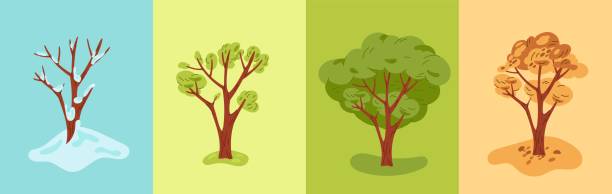
A gentle gradient illustration representing the four seasons flowing into one continuous cycle

One Year. Four Rhythms.

The body does not switch abruptly — it flows, adjusts, and finds its footing across each seasonal passage.

A Timeline of Natural Shifts

The body's responses to the seasons are gradual, overlapping, and entirely ordinary — part of a continuous living rhythm.

March – May

The Spring Shift

Increasing daylight gradually resets circadian patterns. Sleep timing may shift earlier, appetite can lighten, and there is often a natural rise in outward motivation as the environment brightens.

June – August

The Summer Peak

Long days and warmth encourage extended activity. The body adapts its cooling mechanisms, adjusts fluid needs, and aligns with later evening light — all part of the season's natural pace.

September – November

The Autumn Transition

As light diminishes, many people notice quieter daily signals. Rest timing and routine preferences may shift, and there is often a gradual pull toward warmth, nourishment, and earlier evenings.

December – February

The Winter Stillness

Minimal daylight and low temperatures invite the body into its most restful phase of the year. Slower mornings, earlier evenings, and a preference for warmth and quiet are all part of a natural winter rhythm.

What Changes, and Why

Across seasons, several key areas of daily life naturally shift in response to environmental cues.

Sleep & Rest

Light is the primary regulator of the sleep-wake cycle. As sunrise and sunset times shift through the year, the body's internal clock naturally recalibrates its rest patterns.

Appetite & Nourishment

Seasonal shifts in temperature and activity level often accompany natural changes in food preferences — lighter choices in summer warmth, heartier and warming foods as autumn arrives.

Movement & Energy

Spring and summer typically invite more outward, social activity. Autumn and winter bring a natural inclination toward gentler, more contemplative movement — each equally valid.

Light Sensitivity

The amount and angle of daylight can influence mood, alertness, and energy levels for many people. This is commonly discussed in seasonal research and everyday experience.

Temperature Response

The body continuously adjusts circulation, metabolism, and skin response to ambient temperature. These are automatic, graduated processes that happen without effort, season after season.

Focus & Mood

Cognitive patterns and emotional tone often follow seasonal rhythms. The quieter inner focus of winter and the expansive outward clarity of summer reflect the mind's own seasonal cycle.

Follow the Seasonal Flow

Read more about how rhythm, light, and environment shape daily life across the year — and how to move with those changes comfortably.

All materials and practices presented here are educational and informational in nature, intended to support general awareness and well-being. They do not constitute medical diagnosis, treatment, or recommendation. Before adopting any new practice, especially if you have chronic conditions, please consult a qualified physician.